
Hélio Gracie
Co-founder of Brazilian jiu-jitsu and patriarch of the Gracie family.

Unknown · Public domain
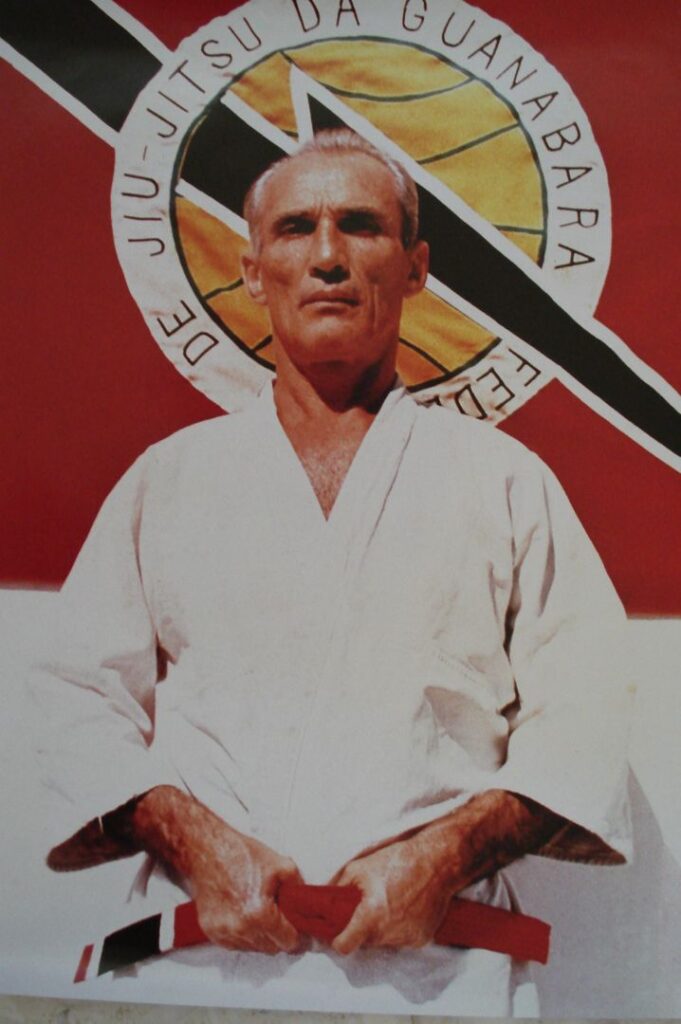
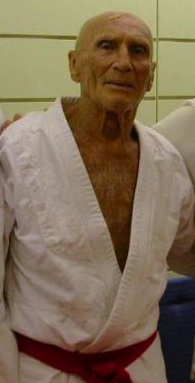
Hélio Gracie was a Brazilian martial artist who, together with his brothers Oswaldo, Gastao Jr, George, and Carlos Gracie, founded and developed the self-defense martial art system of Gracie jiu-jitsu, also known as Brazilian jiu-jitsu (BJJ). According to his son Rorion, Gracie is considered the Godfather of BJJ and one of the first sports heroes in Brazilian history. He was named Man of the Year in 1997 by the American martial arts publication Black Belt magazine.
- born
- October 1, 1913
- died
- January 29, 2009
- nationality
- Brazilian
- known_for
- Co-founding and developing Gracie jiu-jitsu (Brazilian jiu-jitsu)
Verified Timeline
Lore & Background
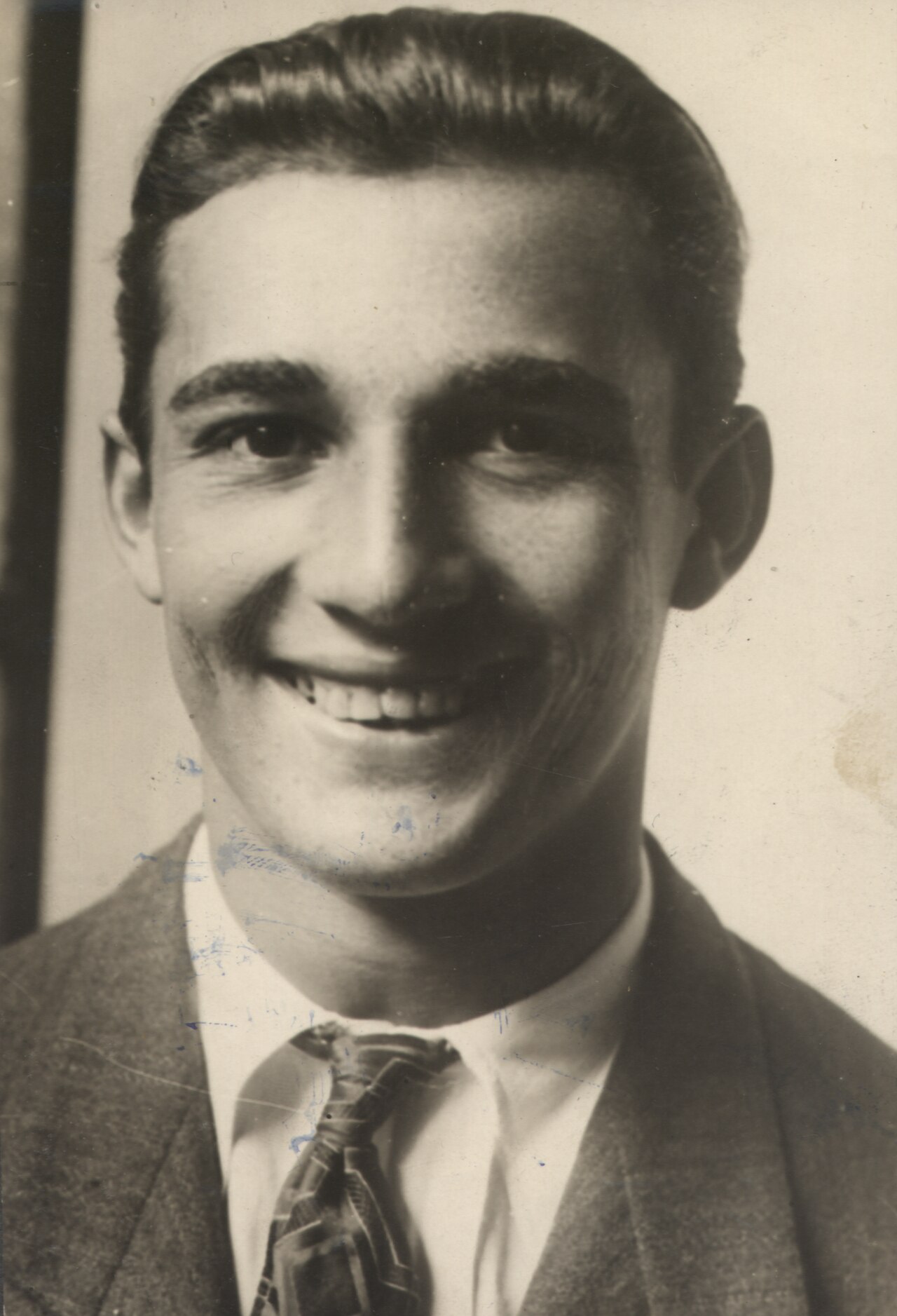
Hélio Gracie was born on October 1, 1913, in Belém, Brazil. He was a talented athlete who trained and competed in rowing and swimming since childhood. At 16, he started training judo (then called 'Kano jiu-jitsu') with his brothers Carlos and George, and also learned catch wrestling under Orlando Americo 'Dudú' da Silva. When the director of the Bank of Brazil, Mario Brandt, arrived for a private class at the original Gracie Academy and Carlos was running late, Hélio offered to teach. Brandt requested to continue learning with Hélio. Finding the moves harder to execute due to his physique, Gracie began adapting Mitsuyo Maeda's brand of judo, already heavily based around newaza ground fighting techniques, creating Gracie jiu-jitsu. He began his professional fighting career at 18 against boxer Antonio Portugal, winning by submission in 40 seconds. In 1935, he defeated his former teacher Dudú in a vale tudo bout, breaking his own nose with a headbutt but winning by verbal submission after landing side kicks called pisão.
Reader's Guide
Hélio Gracie's significance lies in his role as a co-founder of Brazilian jiu-jitsu, a martial art that allows smaller and weaker practitioners to defend themselves and defeat much larger opponents. His adaptation of judo's ground fighting techniques created a system that became foundational to modern mixed martial arts (MMA). Multiple members of his family went on to have successful careers in combat sports, including MMA. In 2001, he was inducted into the Martial Arts History Museum Hall of Fame. His fighting career included notable matches: a draw against judoka Takashi Namiki in 1932; a nearly two-hour grappling match against professional wrestler Fred Ebert in 1932, stopped by police; a submission win over Miyaki by gi choke in 1934; a draw against professional wrestler Wladek Zbyszko in 1934; a draw against 5th dan judoka Yasuichi Ono in 1935; a draw against judoka Takeo Yano in 1936; a submission win over Massagoishi by armlock in 1936; and a second draw against Ono in 1936.
Did You Know?
- Hélio Gracie was a talented athlete who trained and competed in rowing and swimming since childhood.
- He began teaching judo at age 16 when his brother Carlos was late for a private class at the Gracie Academy.
- Gracie defeated his former catch wrestling teacher Orlando Americo 'Dudú' da Silva in a vale tudo match in 1935, despite having his nose broken by a headbutt.
- He fought professional wrestler Fred Ebert in a match that lasted almost two hours before being stopped by police.
- According to Masahiko Kimura, Gracie held the rank of 6th dan in judo in 1951, though Kodokan records show him at 3rd dan.
The Birth of a New Art
Hélio Gracie's journey into martial arts began not in a dojo but on the water. Born in Belém, Brazil, in 1913, he was a natural athlete who trained in rowing and swimming from a young age. It was not until he was sixteen that he first encountered jiu-jitsu, training judo alongside his brothers Carlos and George. The pivotal moment came when he was asked to fill in for Carlos at a private class for Mario Brandt, director of the Bank of Brazil. Brandt was so impressed that he requested to continue studying under the younger Gracie. However, Hélio quickly discovered that the techniques he understood in theory were far more difficult to execute in practice. This gap between knowledge and physical reality drove him to experiment. He took Mitsuyo Maeda's version of judo, which already emphasized ground fighting, and reshaped it into something new. The result was Gracie jiu-jitsu, a system designed so that a smaller, weaker person could neutralize a much larger adversary. He also studied under Sumiyuki Kotani, Chugo Sato, and possibly Hiraichi Tada, though the full extent of his formal training remains unclear.
Proving the System Under Fire
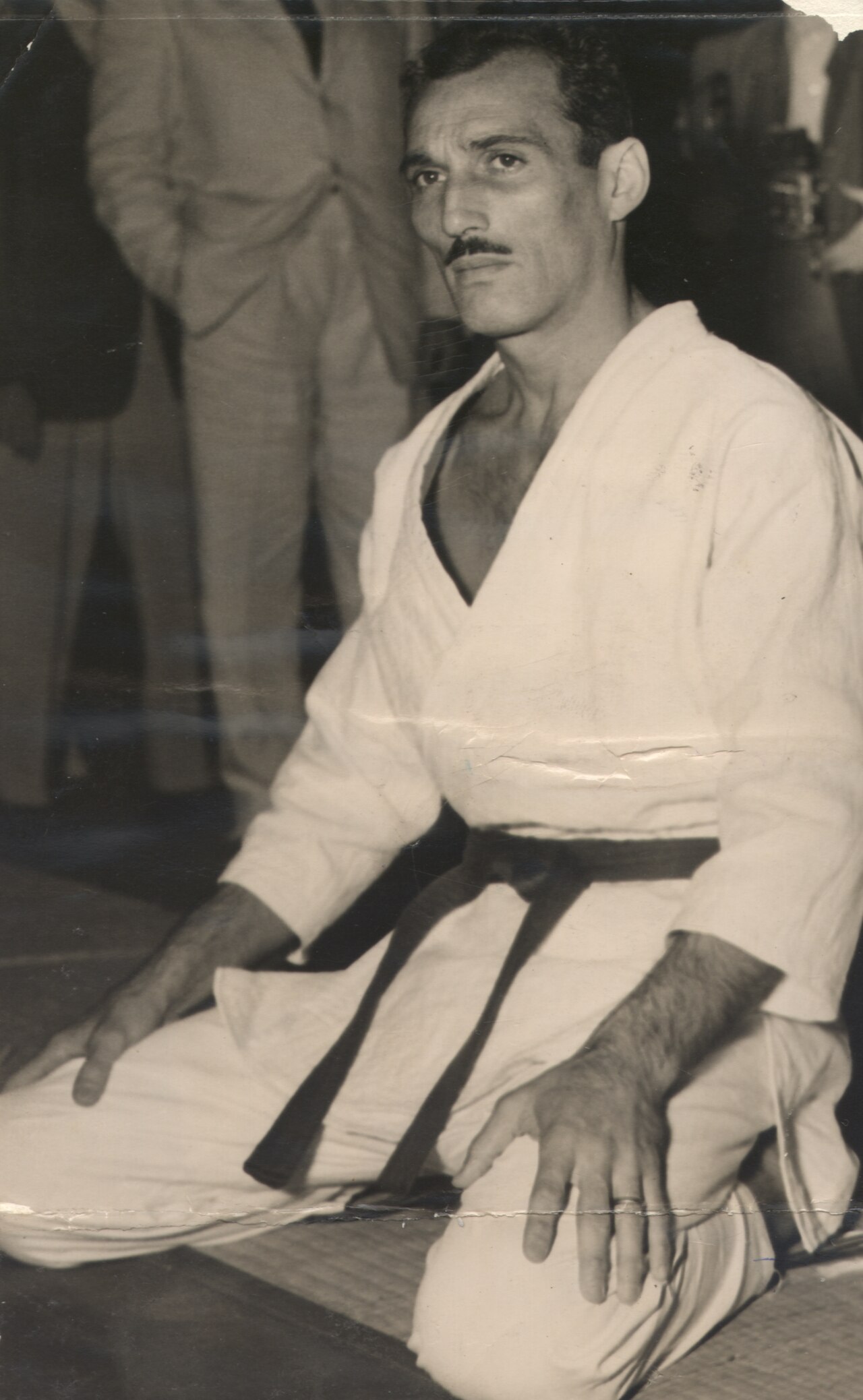
At just eighteen, Hélio stepped into the ring against boxer Antonio Portugal on January 16, 1932, winning by submission in roughly forty seconds. That early success set the tone for a career defined by taking on opponents who dwarfed him. In September of the same year, he met Japanese jiu-jitsu practitioner Takashi Namiki, who held a seven-kilogram weight advantage; the bout ended in a draw after several rounds. The most grueling test came in November 1932 against professional wrestler Fred Ebert, who outweighed Hélio by twenty-nine kilograms. The match dragged on for nearly two hours before police intervened at the promoters' request, as neither fighter was gaining ground. In 1934, he defeated a judo black belt named Miyaki with a gi choke that rendered the Japanese unconscious. Perhaps most remarkably, on July 28 of that year, he faced Wladek Zbyszko, a billed world champion with a forty-kilogram advantage. Hélio pulled guard at the opening and held it for the entire twenty-minute limit, earning a draw widely regarded as a moral victory. Even Zbyszko himself praised the younger man's courage and resistance.
The Athlete Behind the Art
Before Hélio Gracie ever touched a judogi, he was already a competitive athlete. Born on October 1, 1913, in Belém, Brazil, he trained and competed in both rowing and swimming from childhood, a fact that contradicts the popular image of him as a purely martial figure. His first exposure to jiu-jitsu came at sixteen, when he began training judo—then commonly called Kano jiu-jitsu—with his brothers Carlos and George. He also studied catch wrestling under the renowned Orlando Americo Dudú da Silva, who had taught his brothers for a period. His judo education continued under Sumiyuki Kotani and the Argentine judo pioneer Chugo Sato, with some sources suggesting he may also have trained with a practitioner named Hiraichi Tada, though the depth of that connection is uncertain. His rank in judo is similarly debated: Masahiko Kimura stated Hélio held a sixth dan in 1951, while Robert Hill cited Kodokan records showing a third dan, noting that such discrepancies were not uncommon for non-Japanese practitioners of the era.
A Patriarch's Legacy
Hélio Gracie is widely regarded as the Godfather of Brazilian jiu-jitsu, a title his son Rorion has affirmed. Along with his brothers Oswaldo, Gastão Jr., George, and Carlos, he founded and refined the self-defense system that would eventually reshape combat sports worldwide. His influence extended far beyond the mat. In 1997, the American martial arts publication Black Belt magazine named him Man of the Year, and in 2001 he was inducted into the Martial Arts History Museum Hall of Fame. He is considered one of the first true sports heroes in Brazilian history. As the patriarch of the Gracie family, he watched multiple descendants go on to distinguished careers in competitive combat sports, including mixed martial arts. The family's collective impact on the global landscape of grappling and fighting is difficult to overstate, and Hélio's role as the architect of the system that made it all possible remains central to that story.
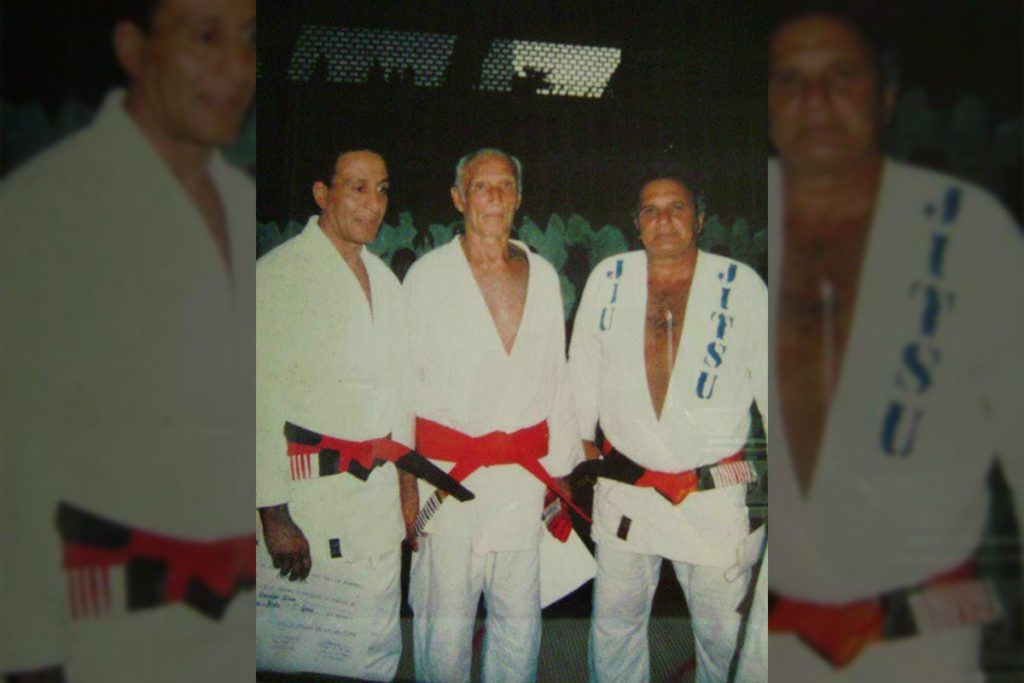
Gallery

Frequently Asked Questions
Who is Hélio Gracie?
Hélio Gracie (1913–2009) was a Brazilian martial artist best remembered as the patriarch of the Gracie family and a central figure in the creation of Brazilian jiu-jitsu. Alongside his brothers, he built the self-defense system that would later become one of the world's most practiced grappling arts.
What is Hélio Gracie most known for?
He is widely credited as the Godfather of Brazilian jiu-jitsu for co-founding and refining the Gracie jiu-jitsu system with his brothers. Black Belt magazine honored him as Man of the Year in 1997, and he is regarded as one of Brazil's earliest sports icons.
Who did Hélio Gracie develop Gracie jiu-jitsu with?
The art was developed collaboratively among the Gracie brothers—Oswaldo, Gastão Jr., George, and Carlos—each contributing to the system's evolution over several decades. Hélio is typically cited as the driving force behind the family's public demonstration and refinement of the style.
Why is Hélio Gracie called the Godfather of BJJ?
The title reflects his role as the eldest brother and public face who helped shape the Gracie jiu-jitsu system into a recognizable, teachable discipline. His decades of live sparring matches and family-led instruction laid the groundwork that modern BJJ schools still build upon.
When was Hélio Gracie born and when did he die?
He was born on October 1, 1913, in Brazil, and passed away on January 29, 2009, at the age of 95. His nearly century-long life spanned the entire history of Gracie jiu-jitsu from its early development to its global spread.
More in Martial Arts And Combat Sports 1-24
Related in Martial Arts And Combat Sports
Links follow this subject's own source article.
Elsewhere in the Martial Arts And Combat Sports universe
Spotted an error? Know more?
This is a living reference — every entry is fact-audited, and reader corrections feed straight into our audit queue. Suggest an edit · See this site's audit record